How I Found a Healthy Relationship with Exercise
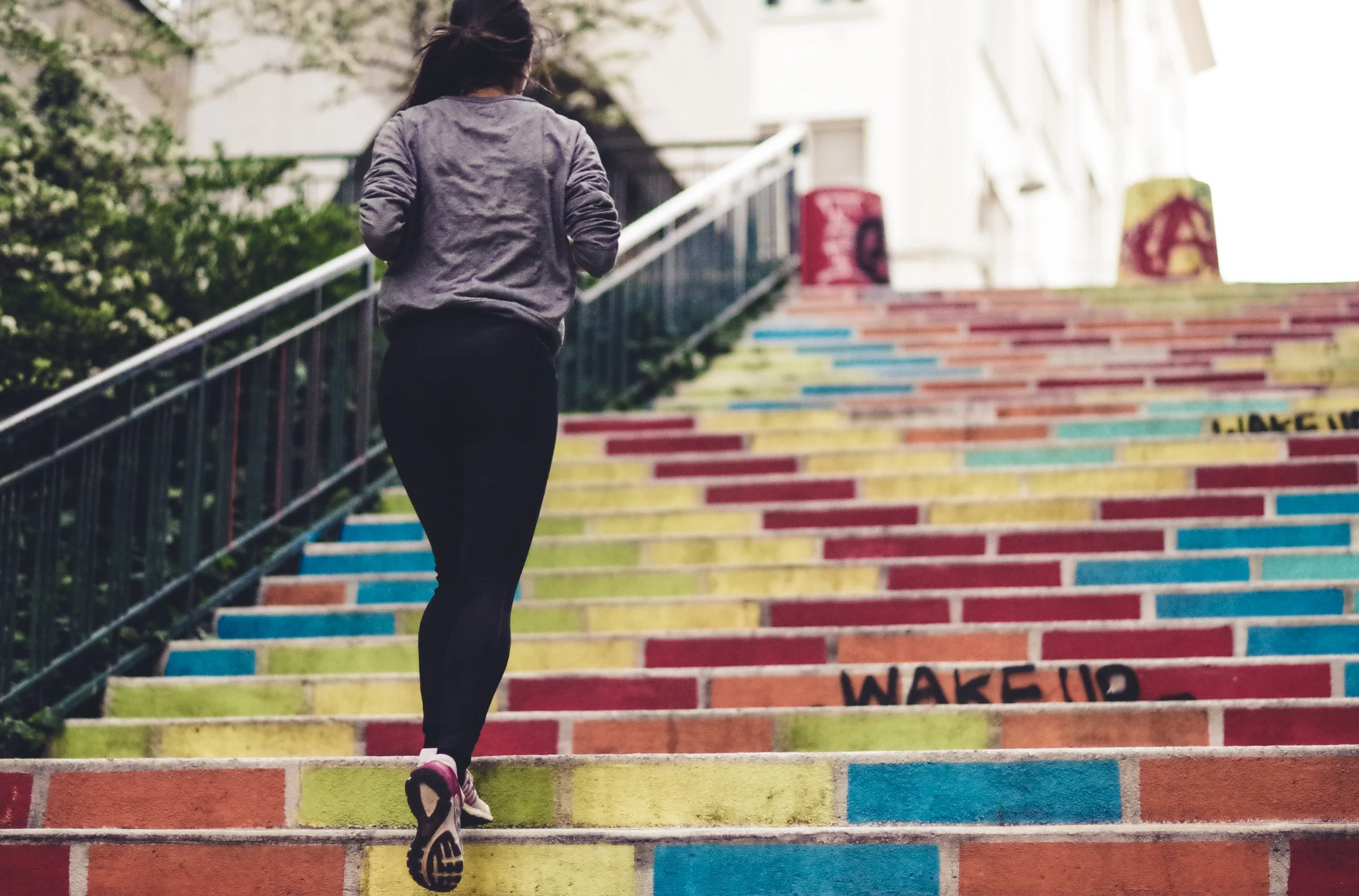
Before I was a Nutritionist, I was a Personal Trainer. On the outside, I looked fit and healthy, but inside I was really struggling. I was restricting, binge eating and exercising to “get rid of” whatever I ate and it was a really terrible cycle of self harm. Officially, I was diagnosed with exercise bulimia, which is a lesser known eating disorder. (You can read more about exercise bulimia and my recovery story here).
Once I decided to recover from my own eating disorder, it was two pronged: I not only needed to learn to nourish my body and build a healthy relationship with food and self, but I also needed to step away from fitness to allow myself the space to get well, mentally and physically.
This was not an easy thing to do, as fitness was my life. Not only was it my career, but I was also an athlete. Needless to say, it was a huge piece of my identity.
Years later (and so much more self work than I will go into in this article), I felt balanced, healthy, nourished and a strong desire to explore fitness again and reintegrate it into my life (honestly, it always felt like a missing piece of me during my time away from it). I knew I needed to have some boundaries around what this would look like, so I did a lot of journaling and exploration, and came up with this list:
Move when it feels good, rest when it doesn’t. Listen to my body, always.
Move in ways that I love and that bring me joy. Never because I feel I “should”.
Find my “why” (hint: this will likely have NOTHING to do with food + body!).
For me, lately, these boundaries look as follows:
I move when I have energy and when it serves me, but when body body feels depleted (for example in my luteal phase), I slow it right down. I always ask my self how I feel and what I need, and make a choice accordingly. Some days this looks like a walk or yoga flow (or nothing at all!), other days this looks like something more strenuous like weight training or a HIIT workout.
When I feel anxious or like I have too many thoughts going through my head, a tough workout gets me out of my head and into my body and reduces my stress levels. And it is important to note here that I also have other non-exercise tools that do this for me also.
When I feel depleted and tired, for example after a night where my kids kept me up all night or during menstruation, a workout will just exacerbate these symptoms. Instead I choose to rest and self care in ways that will serve me more and therefore will be a better use of my “me time”. For example, a bath, some time to journal or pull an oracle card and reflect, meditate, or have a cup of tea outside, art.
I know, that for my personal goals of simply supporting my health, mainting good mobility and alignment as I age, and decreasing my stress…any and all forms of movement work great. I therefore never need to force myself into forms of movement that I don’t enjoy. For example I absolutely hate working out in a gym: I don’t like using machines as a fitness aid and I don’t like the atmosphere. So, I don’t ever go to a gym. It’s that simple! I also much prefer to workout out at home vs having to be at a class on time, find parking, fit it into my schedule, etc. That would just stress me out! So again, I don’t force myself to do this. Instead when I want a class, I push play on a virtual at home workout or roll out my yoga mat and move/ flow intuitively.
Being outside calms me down more than anything else, so whenever possible, I will priotize some form of outdoor movement, such as a walk, hike, or even some strength training on a park bench. This may sound terrible to some of you, but for me, this literally brings me the MOST joy.
My why is simple. I want to be calm and present in my life and with my family. When I move my body (especially in the morning), this makes me a better person. I am happier, calmer, less likely to lose my patience and more able to be fully present. So- on days I feel the need to shift energy, I make sure I priotize movement, and on days that my energy is low, I will find another way to self care and fill my cup instead. Yes, it really can be that simple. And no, this mindset shift definitely does not happen overnight.
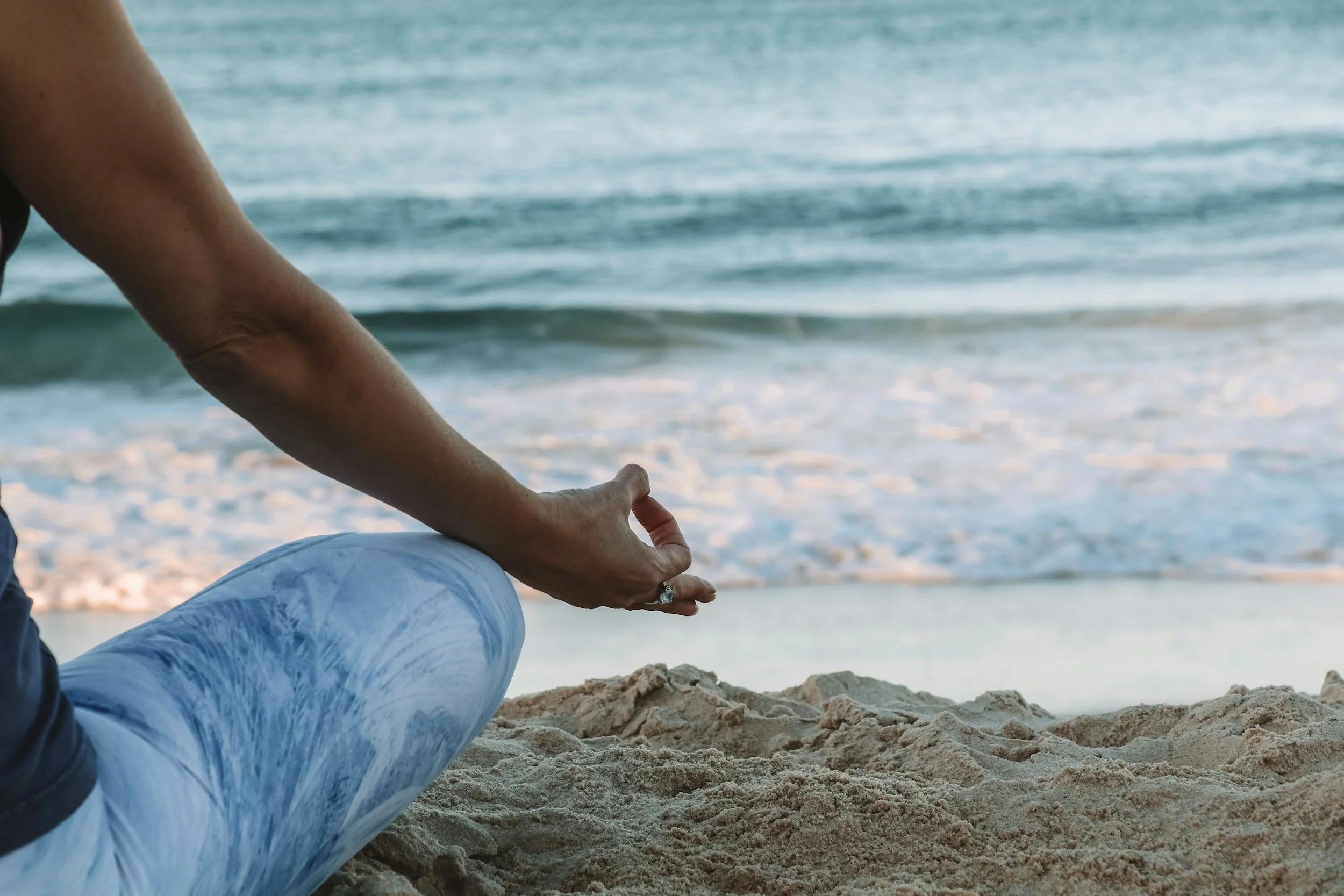
I wanted to share this today, to help encourage you that it is 100% possible to form a healthy relationship with exercise, no matter your history with it. I work through this with my clients all the time in the binge eating recovery program.
If you want to get started in making this shift, I find it can be helpful to explore and journal on the questions below.
Journal prompts for a healthy relationship with exercise:
When you were a kid, what types of movement did you love and naturally gravitate to?
Do you get any anxiety around your workouts? If yes, why?
What is your intention for working out? What is your why?
Do you work out because you feel you “should”, regardless of how you feel or what you need?
What types of movement make you smile? Explore what you love here: maybe you love the water, or being outside, or team sports, or the atmoshphere of a fitness class? Or is it dance that brings you joy? Or rock climbing? Or do you always look forward to taking a walk?
Can you try and do more of what you love and what brings you joy? What are some ways to gently reduce the activties that do not serve you?
If this is something that you feel you need more support around, then please reach out and I am always happy to chat. We can book a free call, connect around what is going on for you, and explore what working together to support this would look like.
And know, that if you struggle with your relationship with exercise, than you are not alone. Regardless of the client (eating disorder or not), this is one of the most common things I see in my nutrition practice and there are so many doable and tangible ways to help nuture this relationship and reintegrate exercise in a way that serves you.