Binge Eating Before Your Period
Do you ever get the feeling that your hormones are in the drivers seat? Like, where you are in your cycle seems to constantly dictate whether you are happy or sad, in a good mood or angry, and in control with your food or constantly binge eating and craving foods?
If you answered yes, you are not alone! So many women I work with experience this (myself included!).
Unlike men, our hormones don’t reset every 24 hours. Instead we are on a 28-32 (more or less) day cycle, with many hormonal fluctuations within this. When you are not aware of the phases of your cycle and what is happening within your body, these fluctuations can make you feel out of control…especially in the 1-2 weeks before your period where many women experience PMS symptoms.
What does your luteal phase (PMS) have to do with binge eating?
In this specific phase of your cycle, a few important hormonal shifts happen. Stay with me while I explain this, because it is so important to understand what is happening within your body. Knowledge is power.
The luteal phase of your cycle occurs after ovulation (your fertile window) and before menstruation (your period). During this phase, the follicle that contained the egg transforms into the corpus luteum and begins producing progesterone and estrogen. Progesterone rises and peaks midway through this phase. If the egg is not fertilized (meaning you are not pregnant), the corpus luteum eventually breaks down, causing estrogen and progesterone levels to drop, which ultimately leads to your period.
These hormonal fluctuations can also affect your metabolism, appetite, mood, and energy needs. Your body may require more energy during this phase, which means you may naturally feel hungrier and experience stronger cravings. This is why, if you are someone following a rigid eating plan, it may not work as well or feel as good during this time of the month. Our bodies' needs are not static.
And if you are not giving your body what it needs, this is where you may experience stronger cravings, either for specific foods (think more carbohydrates or chocolate or red meat), or simply more food overall. When those needs are consistently unmet, this can also increase vulnerability to binge eating.
The fluctuations in estrogen and progesterone can also affect serotonin and other systems involved in mood and well-being. Put simply, this can mean more mood changes, irritability, anxiety, and other symptoms of PMS.
How can you support yourself in luteal phase to prevent binges?
Look to your nutrition.
Let your body guide you with what she needs. Your body’s needs are not static, and during the luteal phase you may notice that you are hungrier or craving more food than you do at other times of the month. This is not something to fight or restrict. In fact, if you are already someone who struggles with binge eating, trying to ignore or override that increased hunger can actually make cravings and binge urges stronger.
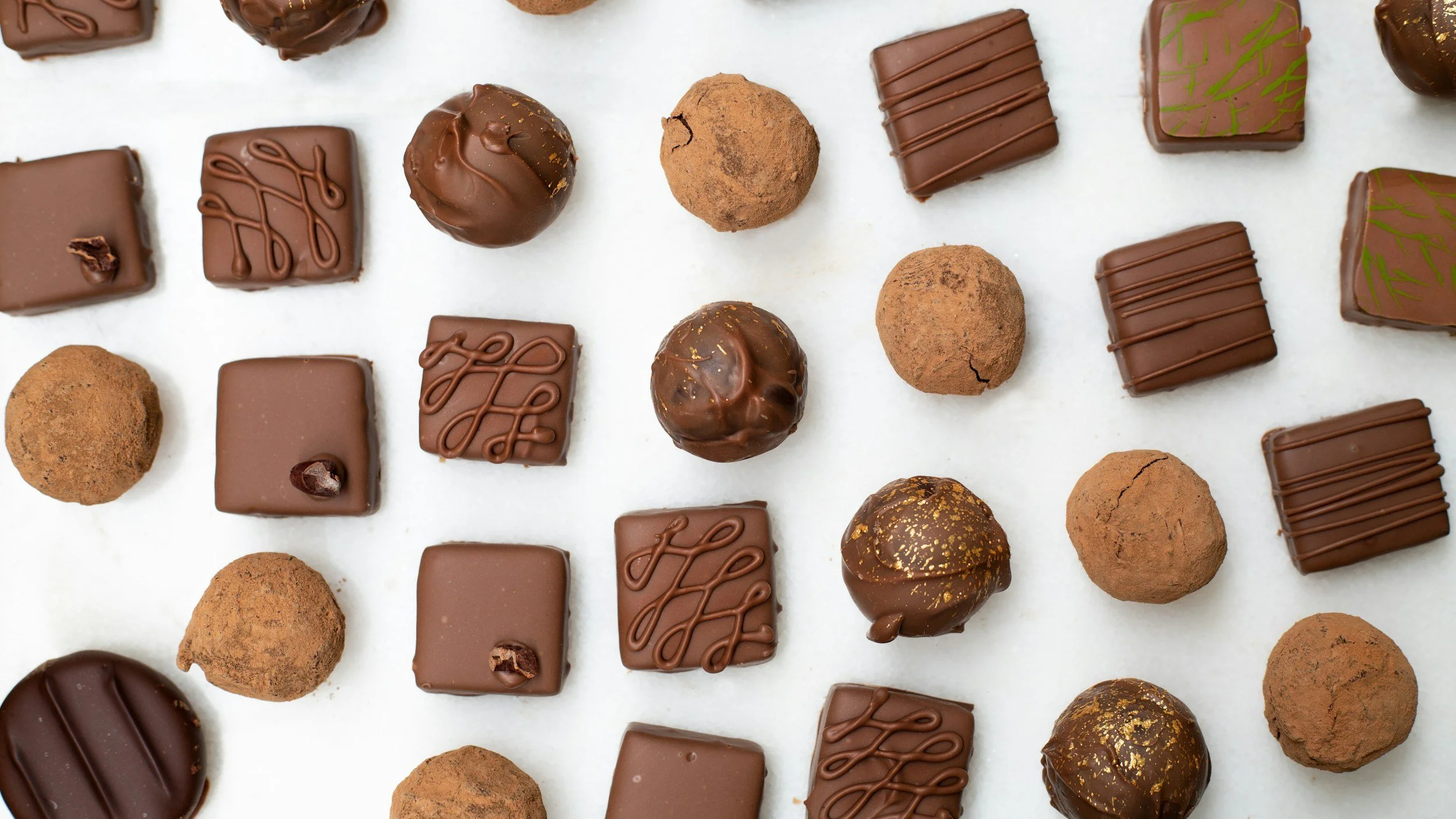
You may find yourself craving more carbohydrate-rich foods at this time of month, such as bread, rice, quinoa, pasta, oatmeal, potatoes, sweet potato, or corn. These foods can be an important part of meeting your increased energy needs and providing your body with the fuel it needs. And you may also be craving chocolate, as so many women do! There is absolutely nothing wrong with honouring that craving. Chocolate contains nutrients such as magnesium and iron, and can absolutely have a place in your nutrition throughout your cycle.
The goal here is not to create another set of food rules for your luteal phase. It is to listen, respond, and give your body enough food to meet its needs. If you notice that you are consistently hungrier or craving more food during this phase of your cycle, consider that information rather than something you need to control.
Slow it down.
This is likely not the time of month to push yourself to do everything, be everywhere, and operate at your absolute maximum. Rather, this can be a time to complete projects, slow down, and look inward. You may notice that you feel more introverted, tired, emotional, or simply less interested in being "on" compared to the two weeks after menstruation. And that is OK. You don't need to fight it.
If you know that you tend to feel more vulnerable to anxiety, irritability, cravings, or binge urges during this phase, give yourself a little more space. Maybe this means saying no to a social event, taking a quieter evening at home, getting to bed earlier, or simply not filling every moment of your day.
This isn't about putting your life on hold for two weeks every month. It's about becoming aware of what your body and mind may need during this phase and giving yourself permission to respond accordingly.
Shift your workouts.
You may also notice that your energy and exercise tolerance change during the luteal phase. This can be a good time to listen to that information rather than pushing yourself through a workout simply because your usual routine says you should. If you are feeling more fatigued, anxious, or depleted, high intensity exercise may not be what your body needs. And if you are already struggling with binge eating, adding more stress, fatigue, or physical hunger to the picture may make things feel even more difficult.
Instead, consider slowing things down. Walks, hikes, yoga, barre, stretching, or other forms of gentler movement can all be wonderful options. And sometimes, the right choice is to do nothing at all. You do not need to earn your food through exercise, and you do not need to exercise simply because it is part of your usual routine. Your body is allowed to need rest.
Find what feels good and practice honouring your body and where she is at.
If this is all new to you, try tracking your cycles for the next few months ( I really like this tracking app). As well as tracking when you menstruate, start jotting down any symptoms, both mental and physical, that you notice. For example, note the days you feel most energized, the days you have more cravings, when you feel more anxious, and when your digestion feels more sluggish.
Over a few months of bringing more cycle awareness into your life, you will probably begin to notice some patterns. As this happens, you can start to gently make choices that work with your body instead of against it, like the three suggestions I listed above.
Understanding your cycle can be a really powerful tool when you are working on overcoming binge eating. Rather than feeling like your hormones are suddenly taking over, you can begin to recognize what is happening in your body and give yourself the support you need during each phase of your cycle.
And if you are wanting to dive deeper into this work, check out my Binge Eating Recovery Program, where we look holistically at all the reasons for your binges and how to support these to promote a full recovery. In the program, you receive a cycle phases guide and personalized hormone support.