Why We NEED Sodium
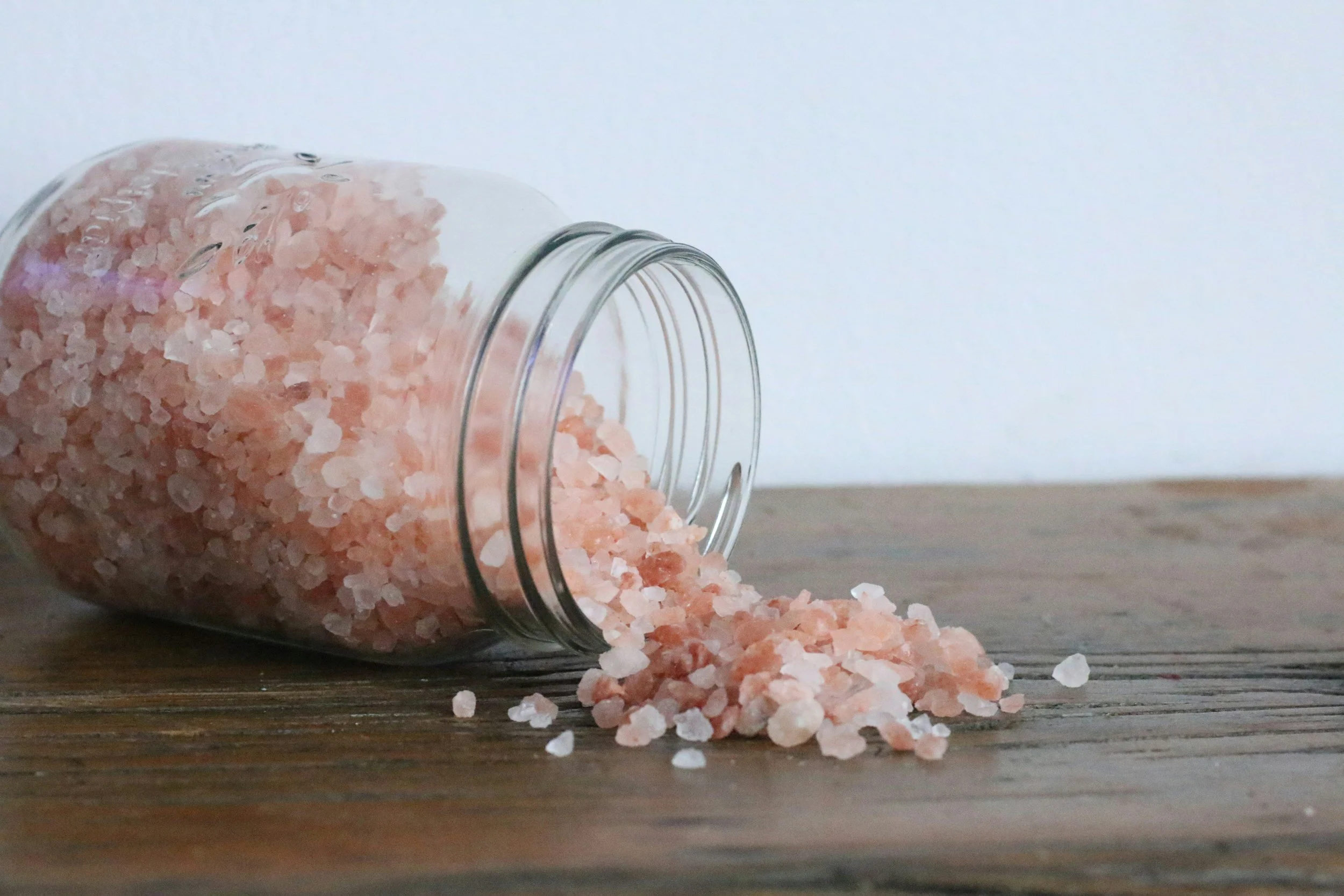
As a nutritionist specializing in eating disorder recovery, I see dietary restrictions of all kinds each day in my clinical work. One of the nutrients that I often see getting severely restricted for “health” reasons is sodium, and its restriction is one that I always find concerning. Because the truth is that sodium is an essential nutrient. Its consumption is absolutely required for normal body function and health, as sodium is crucial for maintaining fluid balance, nerve function and muscle contraction in the body.
What is sodium?
Sodium is both an electrolyte and a mineral, and is of course most commonly found in salt as well as in many food products. It is the primary extracellular electrolyte in the body. Without sodium, our bodies would struggle to maintain homeostasis. It is that important! Alongside potassium, our intracellular electrolyte, sodium is vital for blood pressure regulation and fluid balance. It also plays a role in nerve and muscle function, and moving nutrients across cell membranes within the body. Because it is an essential nutrient, this means that we need to consume it, in sufficient quantities, to keep sodium levels in balance.
What does sodium do for us?
Sodium and Fluid Balance:
Sodium works, alongside potassium, to maintain the correct amount of fluids inside and outside of our cells. This fluid balance is vital to our health for a number of reasons: blood pressure regulation, cellular function, and hydration.
Sodium and Nerve Function:
Nerve cells rely on sodium ions in order to generate the electrical signals that facilitate communication throughout the nervous system. We need this for our reflexes, muscle contractions and sensory perception. Without adequate sodium levels we can experience muscle weakness and cramping as well as neurological symptoms and disorders.
Sodium and Muscle Contraction:
Sodium is needed for muscles to contract properly (due to the reaction of sodium and calcium ions). When we are not consuming adequate sodium we can experience muscle cramping and spams. This also means that sodium is important for our heart muscle contraction. In conjunction with potassium, it works to facilitate muscle contractions as well as maintain normal heart rhythm.
Sodium and Cellular Homeostasis:
Sodium plays an important role in helping to maintain a stable environment within our cells. This is essential for our cells (and therefore us!) to function properly. Sodium is involved with many cellular processes, including nutrient transport. So for example, let’s say you had chicken, or any other protein food, as part of your dinner. You actually need sodium to absorb it. Sodium, in this example, acts as the transport that takes the amino acids and peptides from that protein source you consumed into the body.
Of course, sodium is not the only nutrient we need to thrive and survive, but it is so vital to our health, and often misunderstood when it comes to its role and importance to our bodies. Nothing is all or nothing. I hope, if you are reading this and have been fearful of adding salt or other sodium containing foods to your meals, it gives you a “why” to work towards adding it into your nutrition. Your body will thank you!