Why Acceptance Comes Before Preference in Eating Disorder Recovery
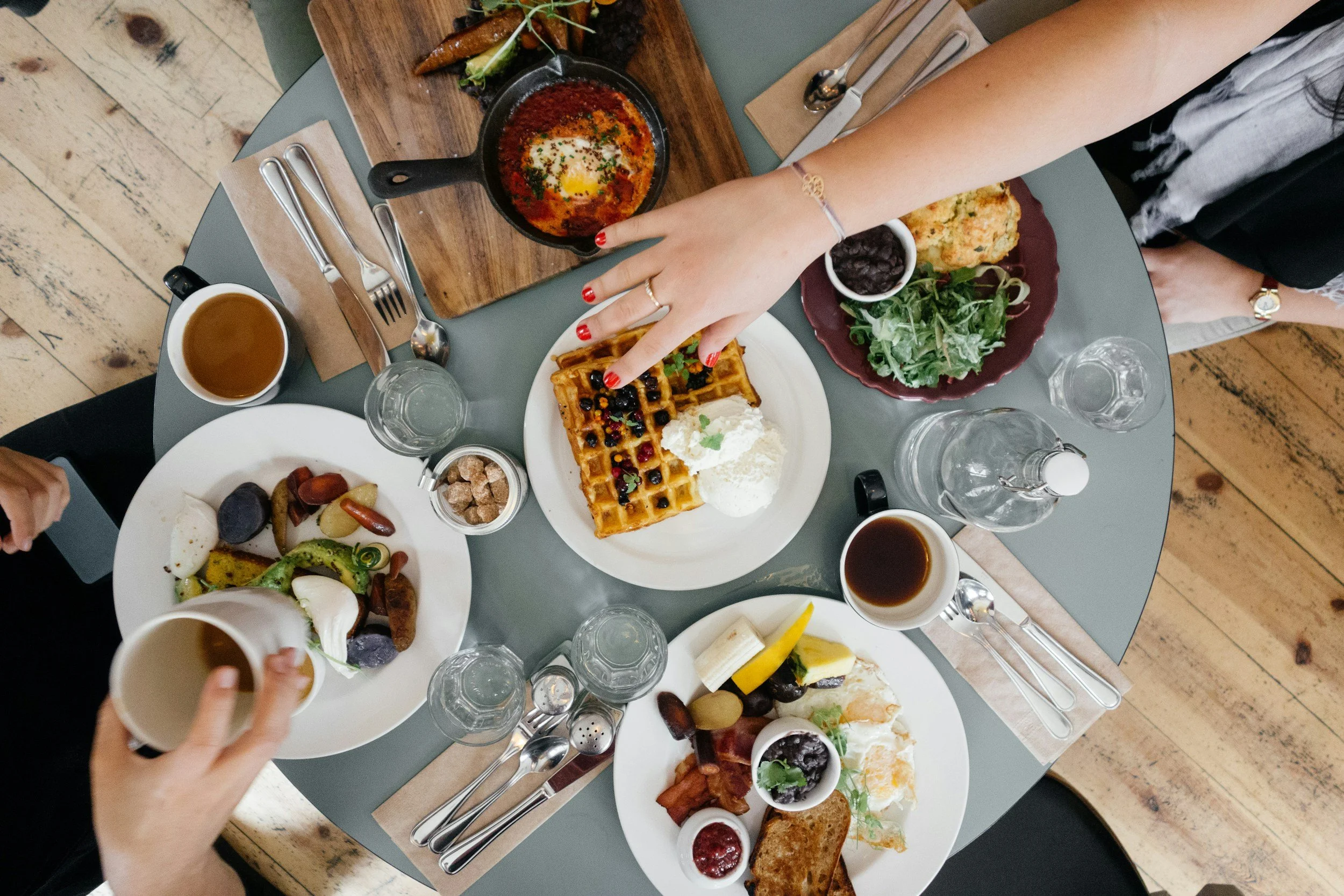
During eating disorder recovery, there are many phases to the nutrition work. You may be gradually increasing your nutrition, establishing a regular pattern of eating, learning to balance your plate, and beginning to add more variety.
Regardless of the eating disorder, it is very common to have a limited list of “allowed” or “safe” foods, along with a much larger list of foods you avoid for all kinds of reasons, from fear and food rules to what feels like simple preference.
As we begin adding more variety in recovery, I often hear very strong statements of preference:
“I just don’t like this.”
“This texture bothers me.”
“I would never eat this food.”
This is incredibly common. And while I absolutely understand the resistance, there is a phrase I often come back to with the individuals I support:
“Acceptance before preference.”
Even as I write this, I can feel the resistance from some of you reading it! I know this idea can be difficult and uncomfortable to hear, and even more uncomfortable to actually put into practice.
So let me explain what I mean.
What do I mean by “acceptance before preference”?
When you have a healthy relationship with food, you practice acceptance before preference pretty instinctually.
Of course you have foods you like more than others. You have meals you prefer, foods you gravitate towards, and things you probably wouldn’t choose if given another option. But you are also able to eat outside of those preferences when life calls for it.
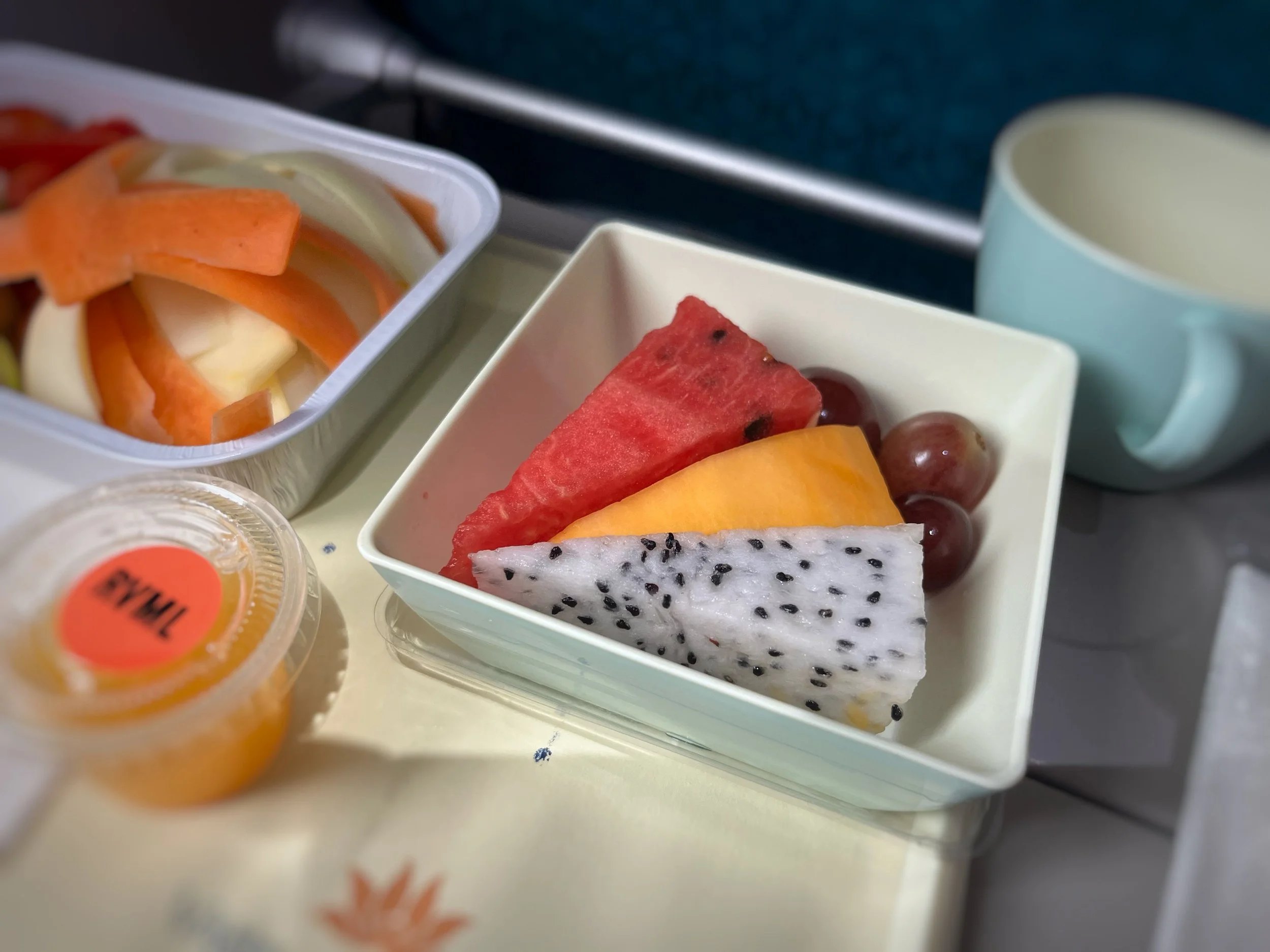
If you are invited to a friend or family member’s home for dinner, you can eat what they have prepared even if it isn’t what you would have chosen. If you are at a wedding, you can eat the meal being served whether or not it is something you usually eat. If you are on a long flight and hungry, you can eat the plane food even though, honestly, no one likes it! And when you travel, you can try new foods and eat meals that fall outside of your usual preferences.
You may not love every meal or every food, and you don’t have to. The important part is that you can eat it and move on.
When you are struggling with an eating disorder, however, eating outside of what feels safe or preferred can feel incredibly difficult. This may apply to certain types of foods, particular amounts of food, foods prepared by someone else, or situations where you don’t have control over exactly what will be served.
Suddenly, those everyday experiences like eating at someone’s home, attending a wedding, or travelling can bring significant anxiety, planning, restriction, avoidance, or urges to compensate.
This is where acceptance before preference becomes important.
Having a healthy relationship with food doesn’t mean you have to like every food. There is absolutely space for preference. But we also need enough flexibility with food that our preferences don’t prevent us from participating fully in our lives.
So, during recovery, we intentionally practice eating beyond the current list of safe and preferred foods. We build variety, challenge avoidance, and learn that we can eat foods we may not have chosen ourselves and still be OK.
The goal isn’t to eliminate preference. It is to build enough acceptance and flexibility that preference no longer dictates what you are able to eat or what you are able to do.
Are your preferences really yours? Or are they the eating disorders?
When you are struggling with an eating disorder, it can be really hard to know which foods you genuinely prefer because of taste, and which foods feel preferable simply because they feel safer or more aligned with the eating disorder.
I have worked with many individuals who begin recovery with very strong preferences for certain foods and equally strong avoidance of others, only to realize much later in recovery that some of those preferences weren’t really preferences at all.
I once had a client who was adamant that she loved olives. She chose them all the time as her fat source and even had her family purchase a box of them in bulk. Two years later, and much further along in recovery, that box of olives was sitting in the garage and she was able to admit how much she actually hated them! She had chosen them because they felt like the safest option at the time, and the eating disorder had convinced her that preference was the reason.
Another client used to tell me how much she hated chocolate. She was adamant that it simply tasted bad and that she would never eat it. A year and a half into recovery, she found herself reaching for chocolate doughnuts, ice cream, cookies, and more. She realized that she actually enjoyed chocolate, and that avoiding it had been a way of limiting treats and desserts, particularly in social situations.
My point in sharing these examples is that what feels like a strong food preference during an eating disorder may not always be what it seems.
You may genuinely dislike a food. You may also be avoiding it because it feels unsafe, breaks a food rule, or challenges the eating disorder in some way. And when you are in the depths of an eating disorder, it can be incredibly difficult to know the difference.
This is another reason we practice acceptance before preference in recovery. By becoming more flexible with food and reducing fear and avoidance, you give yourself the opportunity to discover what you actually like and dislike when the eating disorder is no longer making those decisions for you.
From a place of acceptance, true preference becomes much clearer.
When you begin eating disorder recovery, the nutrition work can feel incredibly overwhelming. Practicing acceptance before preference does not mean integrating every fear food onto your plate at once. This work is done slowly, gently, and step by step.
Over time, the goal is to build enough variety and flexibility that food no longer limits your ability to participate fully in your life. There will always be space for genuine preferences. But there will also be the flexibility to eat outside of those preferences when life calls for it.
Think about the bigger picture. Travelling. Eating at someone else’s home. Going to a wedding. Having someone you love cook for you. Trying something new. These are the experiences we are making space for.
And that is why we practice acceptance before preference in eating disorder recovery.
If you are struggling with an eating disorder and would like support with the nutrition side of recovery, I offer personalized nutrition counselling to help you build variety, challenge food fears and rules, and work towards a healthier and more flexible relationship with food.