Amenorrhea and Heart Health
Amenorrhea, or missing periods, is associated with a large number of eating disorders. When we think about the risks of amenorrhea, we most commonly think about the negative implications on fertility and bone health. However, missing periods could actually be causing cardiovascular damage.
What Is Amenorrhea?
Amenorrhea is defined as the absence of a menstrual period. Missing your period when it is not caused by pregnancy, breastfeeding or menopause is an indication of a larger health problem. When a woman has missed multiple periods and is not pregnant, estrogen has been shut down. This is referred to as hypothalamic amenorrhea and is caused by excessive exercise, undereating, stress…or a combination of all of the above.
The Connection Between Estrogen and Heart Health:
Amenorrhea leads to low estrogen levels. Estrogen is extremely heart protective. More than two thirds of young women with heart disease have abnormally low estrogen levels. 69% of young women with coronary heart disease have low estrogen levels caused by losing their periods because of over exercising, undereating, stress, or a combination of all of the above.
That is a staggering statistic.
Slipping Through the Cracks:
Contrary to popular belief, eating disorders are often an invisible illness. Yes, some who struggle with an eating disorder may look visibly unwell, however, most actually do not. And so unless they disclose to their doctors that they are missing their periods and are struggling with an eating disorder and/ or compulsive exercise, their doctors will not know.
Another layer to this is the distorted lens through which the individual with an eating disorder views health and wellness. They are often looking at their health by how much they weigh, how “clean” their eating is, how much they exercised, how much they have improved their fitness, etc. While they of course know that they should be menstruating, and that this is important to their health, they most often will not see it as a primary concern compared to rigid and restrictive eating and excessive and intensive exercise. And when it comes to our health, we are our own best advocates. If we do not go to our doctors to voice concern about a missing period…or even share it at all… and we look perfectly well (often even society's picture of health ironically), then our doctors cannot know and cannot test and support accordingly.
Your Menstrual Cycle is Your 6th Vital Sign:
Something I tell clients all the time (those who are menstruating women), is that their menstrual cycle is a vital sign of health. Yes, vital! And no, that is not an exaggeration. I believe very strongly that inquiring as to one's menstrual cycle and cycle regularity should be part of regular medical questioning for women. A consistently missing period is not to be taken lightly.
Many of us view the menstrual cycle from the lens of reproduction. However, our cycles are also an indicator as to the general health and well being of women, just like your other vital signs (temperature, heart rate, blood pressure, respiratory rate and pain).
I share about the connection with heart health and missing periods, because not only is it lesser known, but also because many youth we see in eating disorder recovery do not consider fertility to be of serious concern at their age and stage in life. It is not cognitively enough of a negative impact to make them worry about their actions in regards to the eating disorder…but a serious risk of heart disease gives one moment to pause and hopefully incentive to take steps to wellness and recovery.
…which brings me to the next question many individuals have:
How Do I Regain My Period?
Of course, the approach to healing and recovery from amenorrhea and eating disorders is layered, nuanced, and individualized. That said, here are some places to begin exploring your healing and next steps to take towards wellness.
Explore what may be causing your missing period:
For many, it’s a combination of stress, excessive exercise, and not eating enough. But for others, one factor may be playing a much bigger role.
Perhaps you eat a balanced and sufficient diet, but you’re a distance runner or exercise intensely. Maybe you eat well and don’t overexercise, but you’re living with chronic stress. Or perhaps you feel like you eat “enough,” but if you’re honest with yourself, there is still quite a bit of control, restriction, or carefulness around food.
And for some, an eating disorder such as anorexia or bulimia may be the primary contributing factor.
Understanding what is driving the loss of your period is an important first step in figuring out what your body needs to recover.
Work with a team accordingly:
Once you have a better understanding of what may be contributing to your missing period, you can work with the appropriate practitioners to support your health and recovery.
When it comes to eating disorder recovery, nutrition is just one piece of the puzzle. I believe in an integrative approach and working collaboratively within a circle of care, so that all aspects of your recovery—mind, body, and soul—are supported.
Ensure you are eating a balanced plate, and enough food:
If you are working with a nutritionist, this is something you can assess and work on together. If you don’t yet have a support team in place, a good place to begin is looking at whether you are consistently eating enough overall, as well as getting adequate carbohydrates, fats, and protein.
Diet culture currently places a huge emphasis on protein, and I see many individuals who are eating plenty of protein while still feeling fearful or restrictive around carbohydrates and fats. But every person and every eating disorder is different. For others, food variety may not be the issue at all—they simply aren’t eating enough.
Keep in mind that nutritional needs can be elevated during eating disorder recovery. Your body needs adequate and consistent nutrition to heal, support recovery, and restore a regular menstrual cycle.
Take a break from exercise:
This one is the kicker for many. But the truth is that if you are trying to regain your period, physically stabilize and recover from an eating disorder and are still engaging in exercise…the you are chasing your tail. This only makes recovery and health harder to achieve, makes the process take longer than it needs to, and honestly sabotages your recovery to some degree as you will never have the experience of eating without compensating.
Exercise, especially compulsive and intensive exercise, continues to put stress on the body, use up essential nutrient reserves, and increase the caloric needs one will need to show up to to regain regular menstruation.
Work on tools to support and manage stress:
It can be helpful to take some time to journal and explore where your stress is currently residing:
Are you feeling overworked?
Are you not taking adequate days off or proper study breaks?
Are you taking on more in your life than is kind to your mind and body?
Are you struggling with sleep?
Do you need to implement rituals or routines into your morning or evening to support stress reduction?
How is your self care?
How are your relationships?
Is there anything you can let go of?
Is there anything you can prioritize?
What About Birth Control Pills?
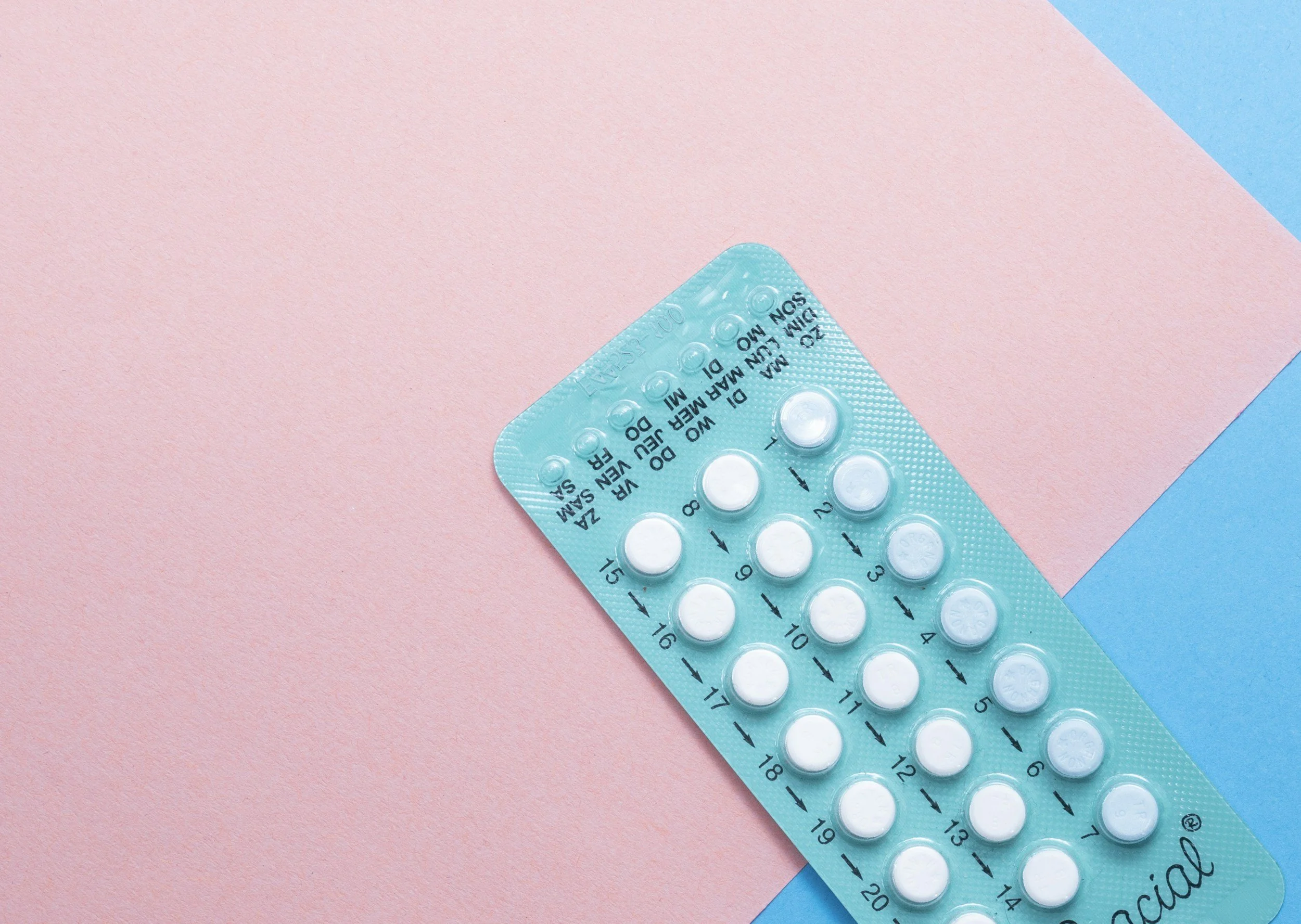
Many clients I have worked with over the last decade have been prescribed birth control pills in response to missing their periods. I have to be very clear here that this is absolutely not the answer but rather just covers up the issue.
On “placebo” days when taking the pill, we do bleed but it is not a true period. The hormones in birth control pills mask the absence of those hormones required to naturally menstruate.
There are risk factors to making this choice:
It masks the continued and ongoing problem which means possibly a delay or absence of any further medical and nutritional interventions to restore the health, weight and lifestyle factors (stress, exercise, etc.) needed to regain regular menstruation and health.
The individual with an eating disorder may believe themselves to be weight restored even when they are very much not, since they are getting a period.
The good news here is that although there are many risks associated with hypothalamic amenorrhea… it is 100% reversible. Through working with a care team towards recovery and health, you can absolutely regain your period, recover from an eating disorder, heal your relationship with exercise, and make choices each day in your life that support more calm, more health and more happiness.
If you would like to explore how nutritional counselling can help support your hormone health and eating disorder recovery, feel free to reach out for a free call to connect, ask questions and learn- no pressure, just a space to connect.